Understanding UK Double Glazing: Benefits, Options, and FAQs
Double glazing describes making use of two glass panes within a single window frame. This style is widely adopted in residential and commercial homes throughout the UK. Over the years, double glazing has acquired popularity not only for its aesthetic appeal however likewise for its impressive energy efficiency and sound insulation residential or commercial properties. Click On this page explores the different aspects of UK double glazing, consisting of the benefits, types, setup process, maintenance, and frequent questions relating to the subject.
Advantages of Double Glazing
The advantages of double glazing are numerous, making it an engaging option for house owners in the UK. Here are a few of the essential advantages:
- Energy Efficiency: Double-glazed windows considerably reduce heat loss from structures. By lessening energy loss, house owners can reduce their energy bills, especially in chillier months.
- Noise Insulation: The space between the 2 panes functions as a buffer, reducing external sound getting in the home. This can be especially helpful for homes located in busy city areas.
- Enhanced Security: Double-glazed windows are generally tougher and harder to break compared to single-pane windows, offering better security for homes.
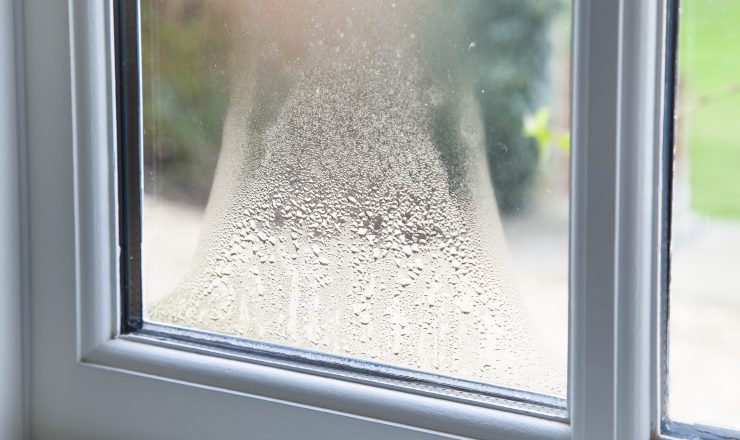
- Decreased Condensation: Double glazing decreases the occurrence of condensation on windows, which can result in mold development and other moisture-related issues.
- Increased Property Value: Homes equipped with double glazing frequently see a boost in residential or commercial property value, as potential buyers value the energy performance and convenience that comes with it.
- Visual Appeal: Double glazing is readily available in a range of styles and surfaces, which can enhance the overall look of a home.
Kinds Of Double Glazing
Double glazing is not a one-size-fits-all service. Various types are available to fulfill various requirements and choices.
Table 1: Types of Double Glazing
| Type | Description | Pros | Cons |
|---|---|---|---|
| uPVC Double Glazing | Made from stiff plastic, popular for residential usage | Cost-efficient, low maintenance | Restricted color options |
| Aluminium Double Glazing | Strong and durable, often utilized in business buildings | Smooth style, long life expectancy | Greater preliminary cost |
| Wooden Double Glazing | Traditional aesthetic, eco-friendly choices available | Terrific insulation, attractive | Needs regular upkeep |
| Secondary Glazing | A secondary window fitted inside the existing one | Cost-efficient retrofitting | Can look less aesthetically pleasing |
The Installation Process
Installing double glazing is a considerable financial investment that includes several steps. Residential or commercial property owners require to ensure they choose a qualified installer to guarantee correct fitting.
Steps to Install Double Glazing
- Evaluation: Evaluating the needs of the residential or commercial property, consisting of window dimensions and product choices.
- Quotation: Obtaining quotes from trustworthy professionals to compare rates and services.
- Choosing Materials: Selecting the type of double glazing and any additional functions such as coatings or gas fills.
- Setup: The contractor removes old windows, prepares the site, and sets up brand-new double-glazed windows. This procedure might take a couple of hours to a couple of days, depending upon the number and size of windows.
- Last Inspection: A comprehensive check to ensure proper fitting and performance of the windows.
Maintenance of Double Glazing
While double-glazed windows are usually low-maintenance, some care is needed to keep their effectiveness and look.
Tips for Maintenance
- Routine Cleaning: Use a glass cleaner and soft cloth to keep the panes clear.
- Check Seals: Check for any indications of wear or damage around the window seals to prevent air leaks.
- Oil Mechanisms: If windows are geared up with opening mechanisms, guarantee they are oiled regularly to prevent tightness.
- Examine for Condensation: Look for indications of condensation between the panes, as this may indicate the failure of the IGU (insulated glass system).
Regularly Asked Questions (FAQs)
1. The length of time does double glazing last?
Double glazing typically lasts for around 20-35 years, depending on the quality of the products and upkeep.
2. Is double glazing worth the financial investment?
Yes, double glazing is worth the investment due to the long-lasting cost savings in energy costs, increased comfort, lower noise levels, and prospective rise in residential or commercial property worth.
3. Can I set up double glazing myself?
While DIY setup is possible for those with the right skills, it is extremely advised to hire a professional to ensure correct fitting and insulation.
4. How can I improve the energy efficiency of my existing windows?
If changing windows is not an alternative, consider setting up secondary glazing or adding window film to enhance insulation.
5. Exist financial rewards for installing double glazing in the UK?
Yes, various energy efficiency schemes and federal government grants might be readily available, encouraging homeowners to enhance their energy conservation efforts.
Double glazing continues to be a favored choice for numerous property owners in the UK, due to its myriad benefits ranging from energy efficiency to boosted aesthetics. With various types readily available and a fairly simple installation procedure, it is a financial investment worth thinking about. Residential or commercial property owners ought to remain vigilant in maintaining their double glazing to maximize its life-span and effectiveness. In a time where energy preservation is vital, investing in double glazing might be an action towards a more sustainable future while also boosting convenience within the home.